Arizona only.
A cottage food registration doesn't cross the state line, so a baker here can't sell or deliver outside Arizona. Not at the holidays, and not to family in Florida. Checkout blocks the address, and there's no override for it.
Someone within a few miles of you is already up early on Saturday, pulling something out of the oven that beats anything on a shelf. What they're missing is the counter: taking the order, taking the payment, printing the label, reading the statute about frosting. We run that part. They bake, you eat, and this page is everything in between.
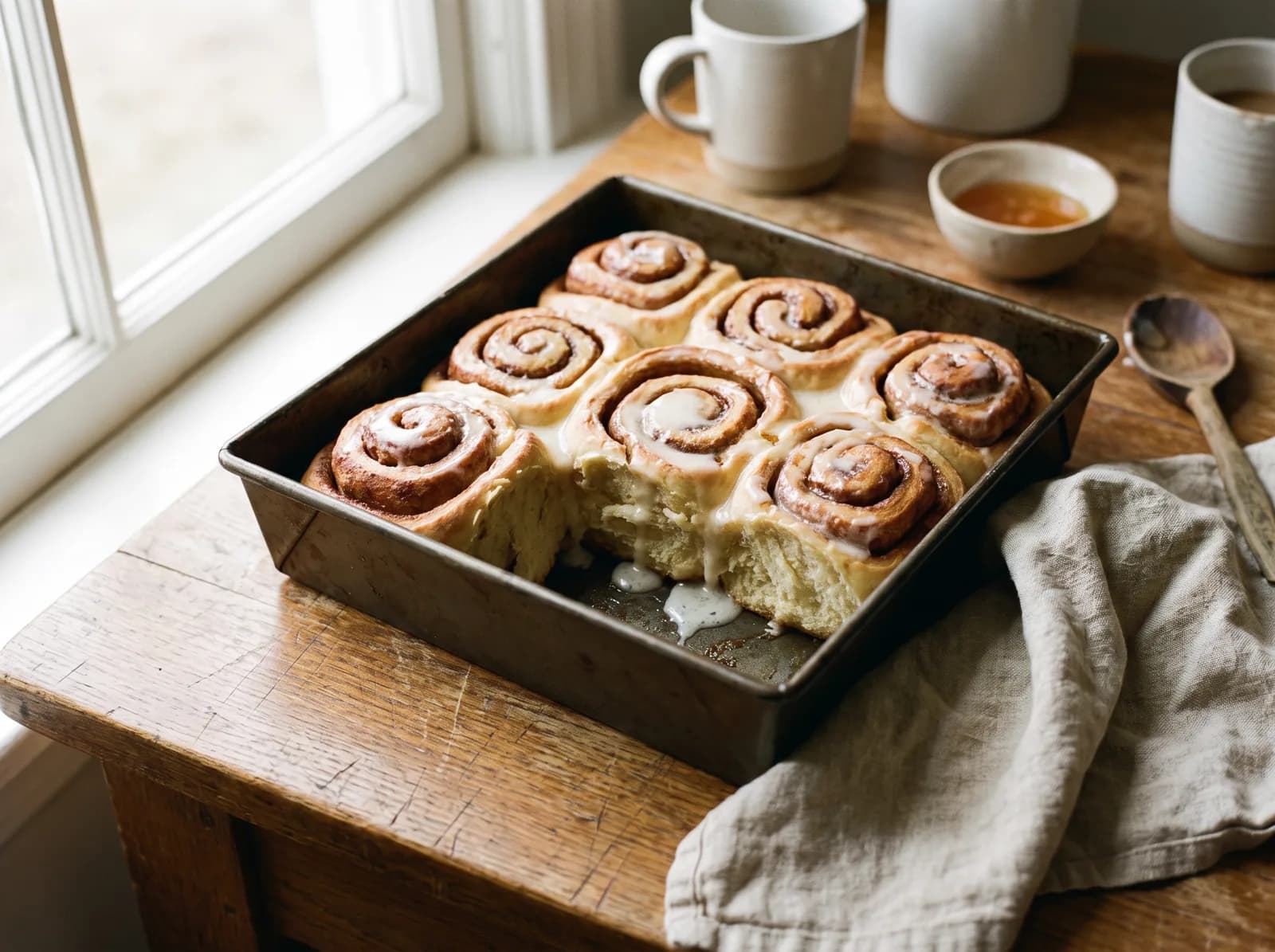
Our Papa baked cinnamon rolls every weekend. We carried them to school and sold them before the first bell, and we called them Dunn Buns. Cottage & Kin is the counter he never had.
Everything below is us building that counter properly: the registration, the label, the payment, the two-hour rule. Somebody in your neighborhood is already this good.
Every step between your ZIP code and something still warm on your counter, including why the handoff works the way it does.
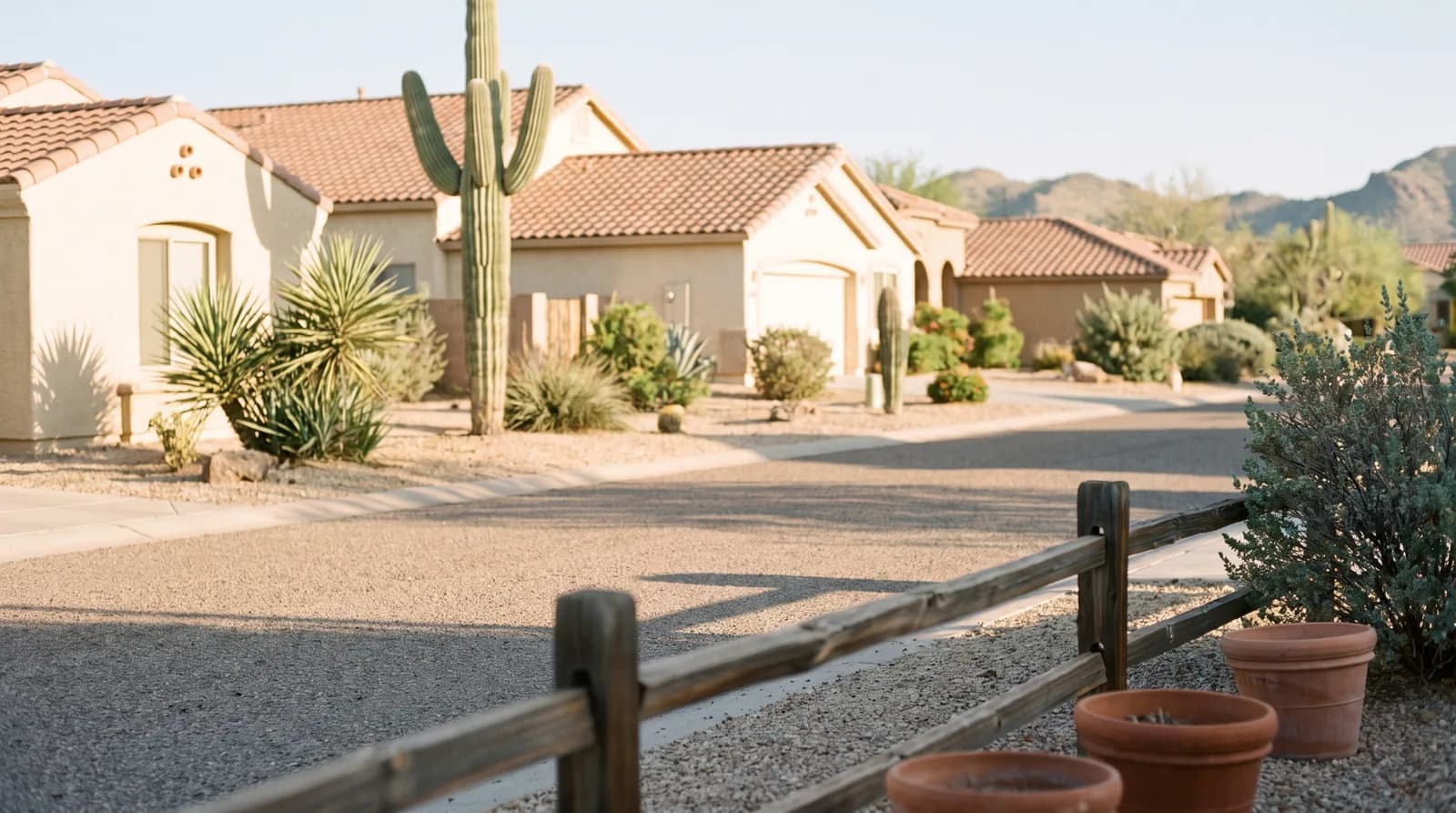
Put in your ZIP code and how far you'd go: 10, 25, or 50 miles. You'll see the kitchens inside that circle and how far each one is from you. The radius filters what you're shown. How far a baker can actually carry something is decided by what they're baking, which is step four.
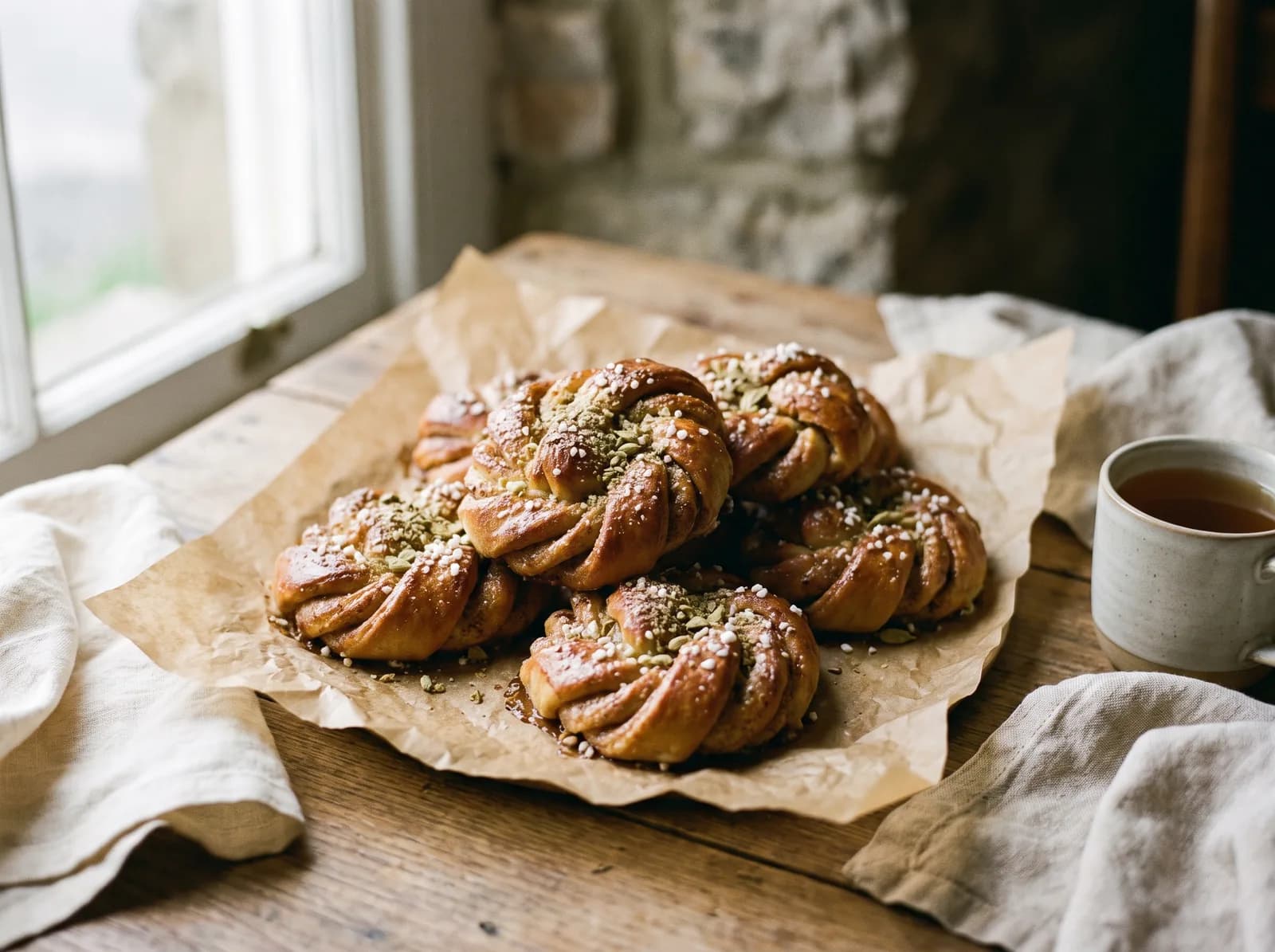
A batch is baked on a set day in a set quantity. They're making forty cinnamon rolls Saturday morning, you claim two, and once they're claimed they're gone until they bake again.
Made to order means they start baking after you order. They set how much notice they need, and you'll see the day it's ready before you pay.
Either way you'll see the full ingredient list, the allergens, and the production date for that exact batch before you pay.
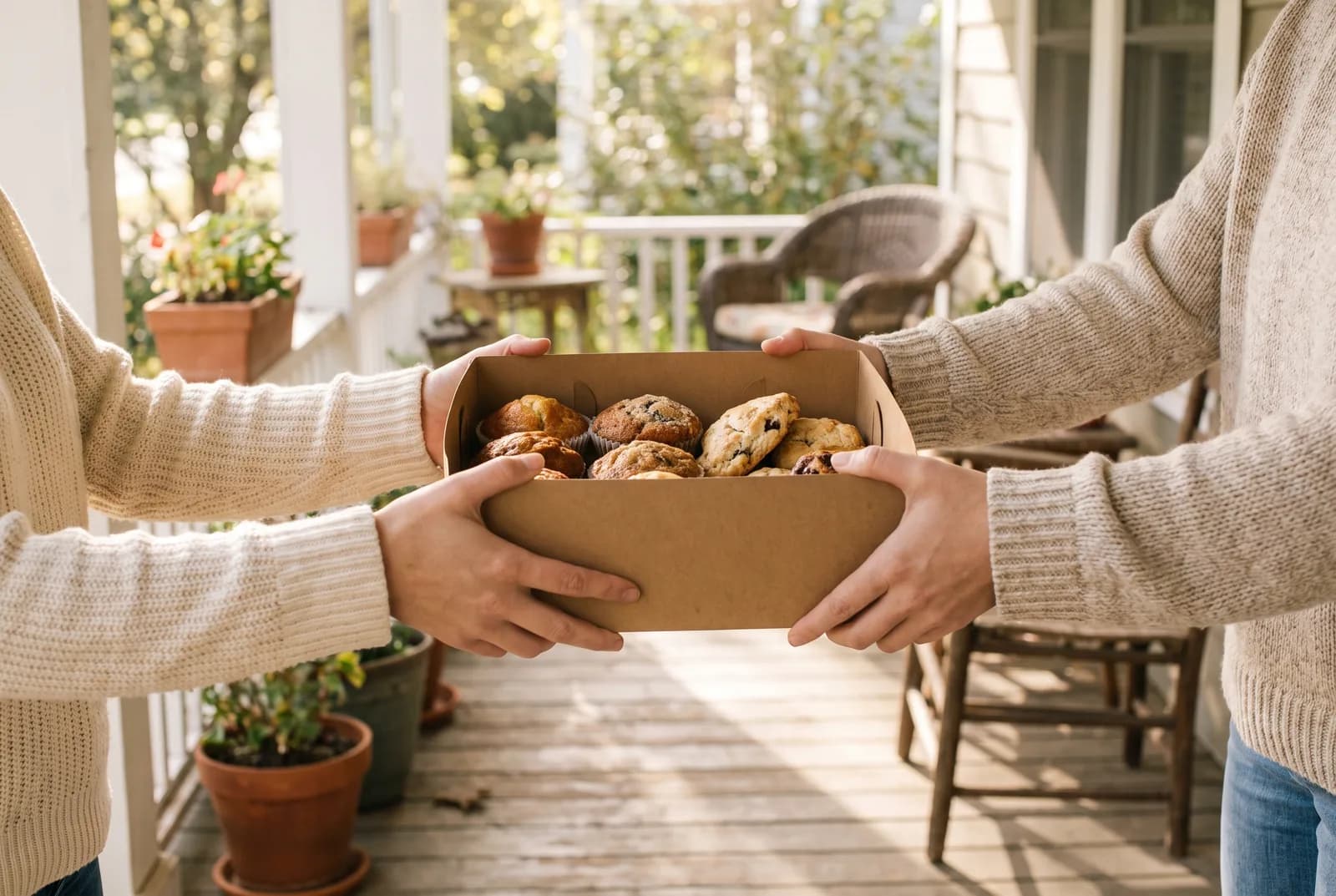
They hand it to you at their door, they drive it to yours, or you meet somewhere you both agree on. Every order travels that way today, and anything with dairy, meat or poultry in it travels that way permanently, because Arizona requires those to be handed over in person. There's no warehouse and no locker in the middle of this and there never will be, since a cottage baker can't store their food or their equipment anywhere but their own home.
That means agreeing on a real time and a real place with a real person. It's slower than a box left on the step, and it's better than one.
Anything temperature sensitive travels once, to one address, within two hours including whatever the traffic does. That's Arizona law, and it's also why what lands on your counter tastes like what came out of their oven. It caps how far any one baker can reach, so the kitchens closest to you are the ones you'll see the most of.
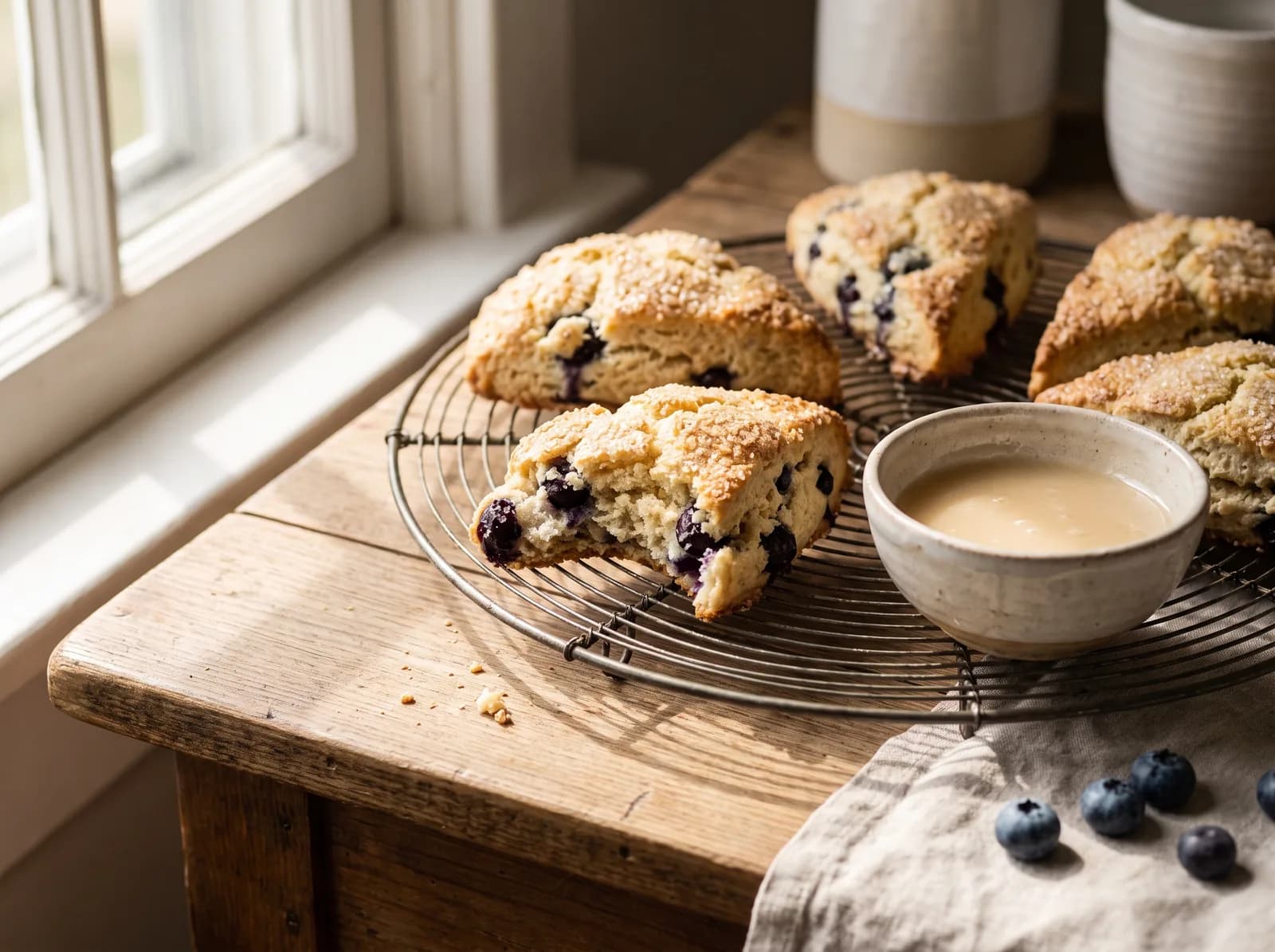
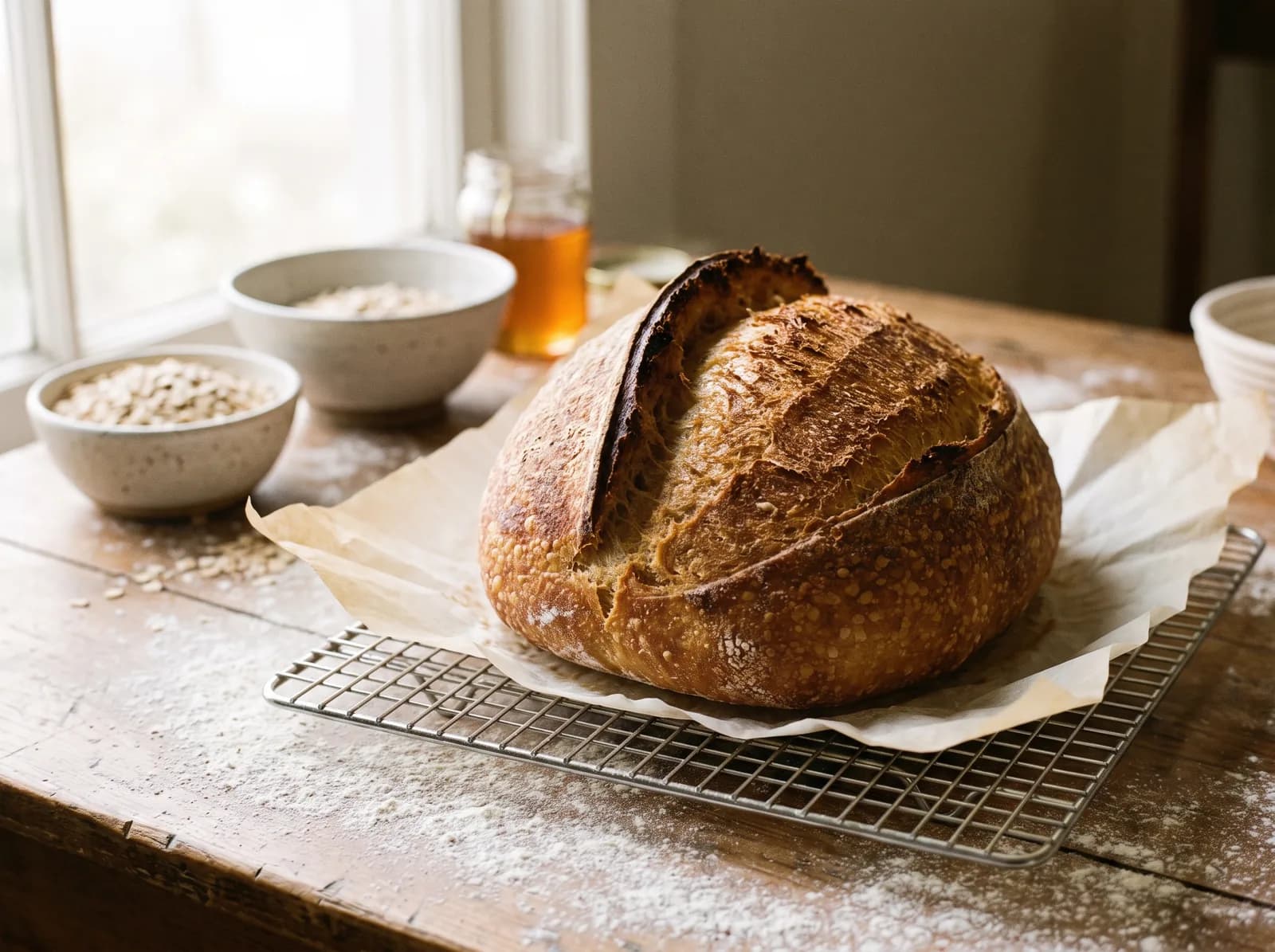
These four come straight out of Arizona cottage food law, and they decide what this platform is allowed to do.
A cottage food registration doesn't cross the state line, so a baker here can't sell or deliver outside Arizona. Not at the holidays, and not to family in Florida. Checkout blocks the address, and there's no override for it.
Arizona lets a baker sell those over the internet and then requires them to put those into your hands in person, so the rule is about how they reach you rather than what the baker's allowed to make. Cheesecake is fine. Cream cheese frosting on the cinnamon rolls is fine. You collect it from them or they drive it over, and no courier ever carries one. A few things are out whoever carries them: fish, shellfish, raw milk, alcohol and marijuana.
Registered with the Arizona Department of Health Services Cottage Food Program, holding a current food handler card, with their registration number on every listing. We check both before their first listing goes up, then warn them at 60 days and again at 30 before either one expires. If one lapses, their listings come down that day on their own.
What they sealed is what you open. We can't build a sampler box out of four kitchens or move anything into a gift basket, because cottage food has to stay in the packaging it left their house in. Order six things from them at once if you like. Each one comes to you sealed the way they made it.
Arizona doesn't send anyone into a home kitchen, and the state requires every cottage food label to say exactly that, in wording the state wrote itself. We'd rather hand you that sentence up front than bury it at the bottom of a page.
Every listing carries the same fields, and the sticker on your box is generated from the same batch record, so the two can never say different things.
This product was produced in a home kitchen that may come in contact with common food allergens and pet allergens and is not subject to public health inspection.
To obtain additional information about cottage foods or to report a foodborne illness, go to azdhs.gov/Cottagefood
An example of what each field holds. The two sentences above are the state's own wording, and every label carries them word for word.
Most people who bake this well want to bake and get paid for it. Everything around that, the orders, the payments, the labels, the law, is the part that eats the weekend. We run all of it, so the only thing left on your list is baking.
Name it, photograph what you make, set your prices. Nothing goes live until your registration is on file, so you can do this tonight and sort the state out next week.
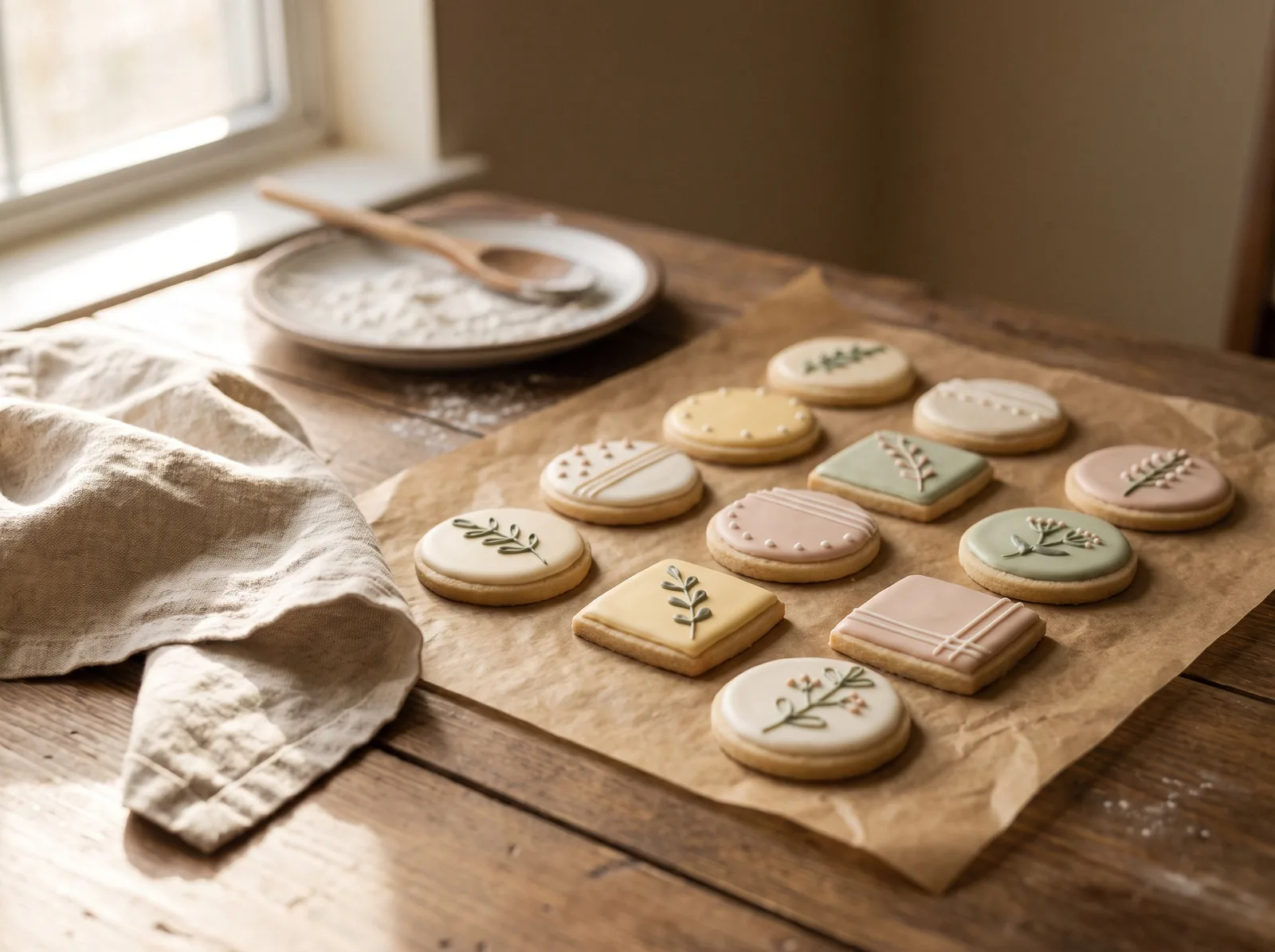
An Arizona cottage food registration from the Department of Health Services, and a food handler card. Both belong to you personally, and an LLC can't hold either one. We'll walk you through where each comes from, what it costs and how long it takes.
We keep both expiry dates on file and warn you at 60 days and again at 30, because the day a registration lapses is the day the exemption goes with it.
Ingredients, allergens, the day you're baking and how many you're making. Your label prints from those same fields, so the sticker on the box and the listing on the page can't drift apart.
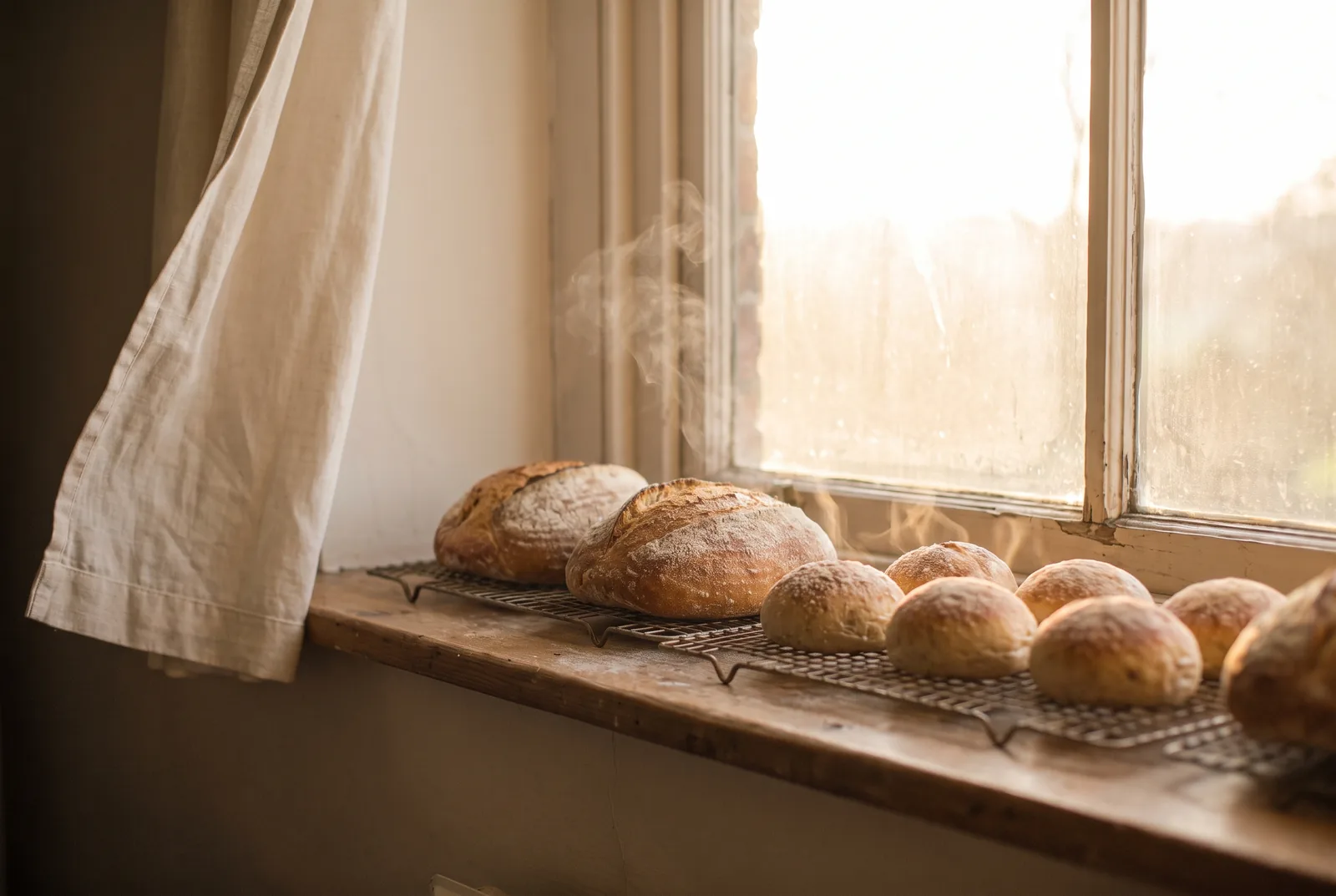
Pickup at your place, delivery by you, or a handoff somewhere you both agree on. Set your own radius and your own windows. Anything temperature sensitive is capped at one trip, one address and two hours, so choose a radius you'd actually drive on a Saturday.
Two fees, landing on two different people. Your buyer pays ours, 5.5% of your price plus 55 cents, folded into the single number she sees rather than added at the last screen. You pay Stripe for the card, 2.9% plus 30 cents, the same cut any shop with a card reader hands over.
Folding ours into the price is deliberate. A surcharge on her screen is what teaches people to arrange the next one by text and go around you, and you're the one who then loses the order record and any recourse when something goes wrong.
She sees one number, $42.75, and pays it. Nothing is added at her last screen. Stripe charges 2.9% plus 30 cents on the full $42.75 it processes, not on your share alone, so what lands is your price less that card fee.
Cottage & Kin launches in Phoenix in October 2026. There are no bakers on the platform yet, and the example kitchens you'll find around the site are prototypes with placeholder names on them. Four brothers own this, Jake, Jordan, Caleb and Josh Dunn, and we're doing Arizona properly before we look anywhere else.
If you bake, starting now means you're one of the kitchens people find in October.